Can businesses accept mobile driving licences as proof of identity?
 Jaye Hackett
TL;DR: Yes, but not directly, and there is some work involved to set it up.
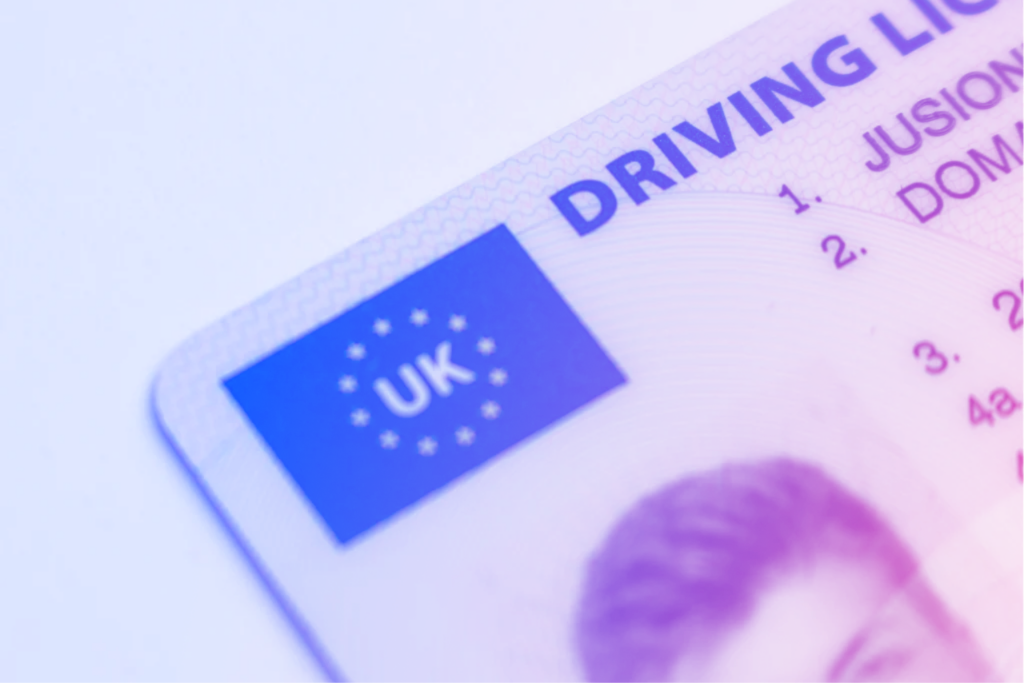
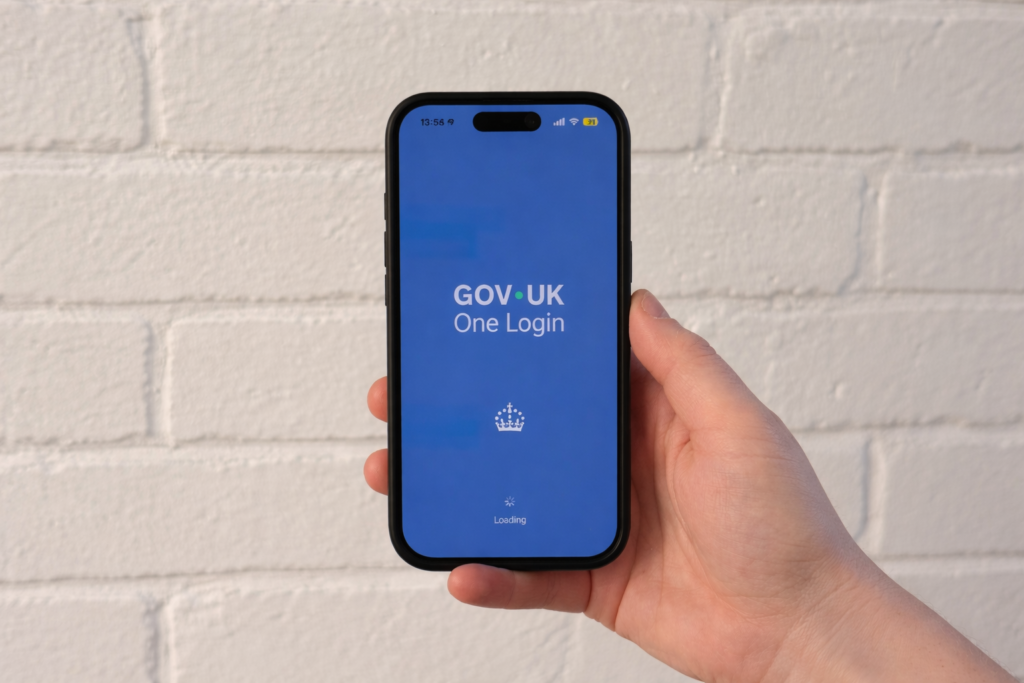
From 2026, UK businesses will be able to accept mobile driving licences (mDLs) as proof of age and identity. To do so safely and compliantly, you will need to use a certified digital verification service that is authorised to read credentials from the GOV.UK One Login app (sometimes referred to as the GOV.UK Wallet).
This guide explains what “accepting” a mobile driving licence really means in practice, what changes for regulated businesses, and how to prepare:
What does it mean to “accept” a mobile driving licence?
Accepting a mobile driving licence does not mean asking a customer to upload a screenshot or show you their phone. Instead:
- the user shares specific information from their GOV.UK One Login app with consent
- that information is verified digitally by an approved intermediary
- your business receives a verified result and audit trail
In other words, accepting an mDL is much more like a social login or open banking connection than it is to scanning a physical document.
You are not judging an image. You are relying on verified claims issued by government and validated by a trusted service.
Can businesses accept mobile driving licences today?
During the rollout phase in 2026, acceptance will go mainstream. In practice:
- availability will depend on whether your verification provider supports mDLs
- not all providers will support them at the same time
- early adoption is likely in lower-risk and high-volume use cases
The important point is that businesses do not integrate directly with GOV.UK One Login. Acceptance is mediated through certified digital verification services.
How acceptance works in practice
A typical flow looks like this:
- A customer chooses to verify using their mobile driving licence
- They approve sharing specific information from the GOV.UK One Login app
- A certified digital verification service validates the credential
- Your business receives a verified result, confidence level and audit trail
The government authorises a limited set of providers to perform this role. Examples include Yoti, GBG and Vouchsafe, who are audited against strict rules before being allowed to validate credentials issued through GOV.UK One Login.
This model ensures that:
- users always give clear consent
- only the minimum necessary data is shared
- verification is consistent and auditable
What can businesses use mobile driving licences for?
Mobile driving licences are suitable for many of the same use cases as physical licences, but with different strengths.
Well-suited use cases
- age verification (retail, hospitality, online content)
- identity verification during onboarding
- account recovery and re-authentication
Conditional or risk-based use cases
- regulated financial onboarding
- credit decisions
- high-value transactions
In higher-risk contexts, an mDL can act as a strong root of trust, but will usually need to be combined with additional checks depending on your regulatory obligations and risk appetite.
Does accepting an mDL change my KYC or AML obligations?
No. Your obligations do not change, but how you meet them can.
Accepting a mobile driving licence does not remove the need for a risk-based approach or ongoing monitoring.
But, because the data is digitally verified and comes with an audit trail, mDLs can drastically simplify compliance by cutting reliance on visual document checks.
Do businesses still need fallbacks?
Yes. Not everyone will have:
- a driving licence
- a compatible smartphone
- a GOV.UK One Login account
Any production-ready onboarding flow still needs inclusive alternatives, such as physical ID, other recognised digital IDs, or assisted routes for customers who cannot self-serve.
Acceptance of digital ID works best when it is treated as the default, not the only option.
When should businesses start preparing?
If you are reviewing your onboarding or verification flows in the next year, now is the right time to plan.
Practical steps include:
- asking your current provider about mDL support and timelines
- designing flows that can accept multiple digital ID schemes
- avoiding one-off or hard-coded integrations
- planning for coexistence with physical ID for several years
The biggest risk is waiting for a single “winning” credential or wallet. The UK is moving toward a plural digital ID ecosystem, not a single identity card.
Summary
- UK mobile driving licences will roll out through 2026
- Businesses will be able to accept them, but not directly
- Acceptance requires a certified digital verification service
- mDLs reduce fraud and friction when used appropriately
- Inclusive fallbacks will be essential for a long time to come
Accept mobile driving licences with Vouchsafe
Are you a business looking to safely accept mobile driving licences for identity, age or address verification?
Vouchsafe is a certified digital ID acceptance layer, with inclusive fallbacks and ongoing monitoring built in. Learn what’s coming this year with our Digital ID in the UK compliance guide, or book a 30-minute conversation to discuss your use case.